
 01
ECG
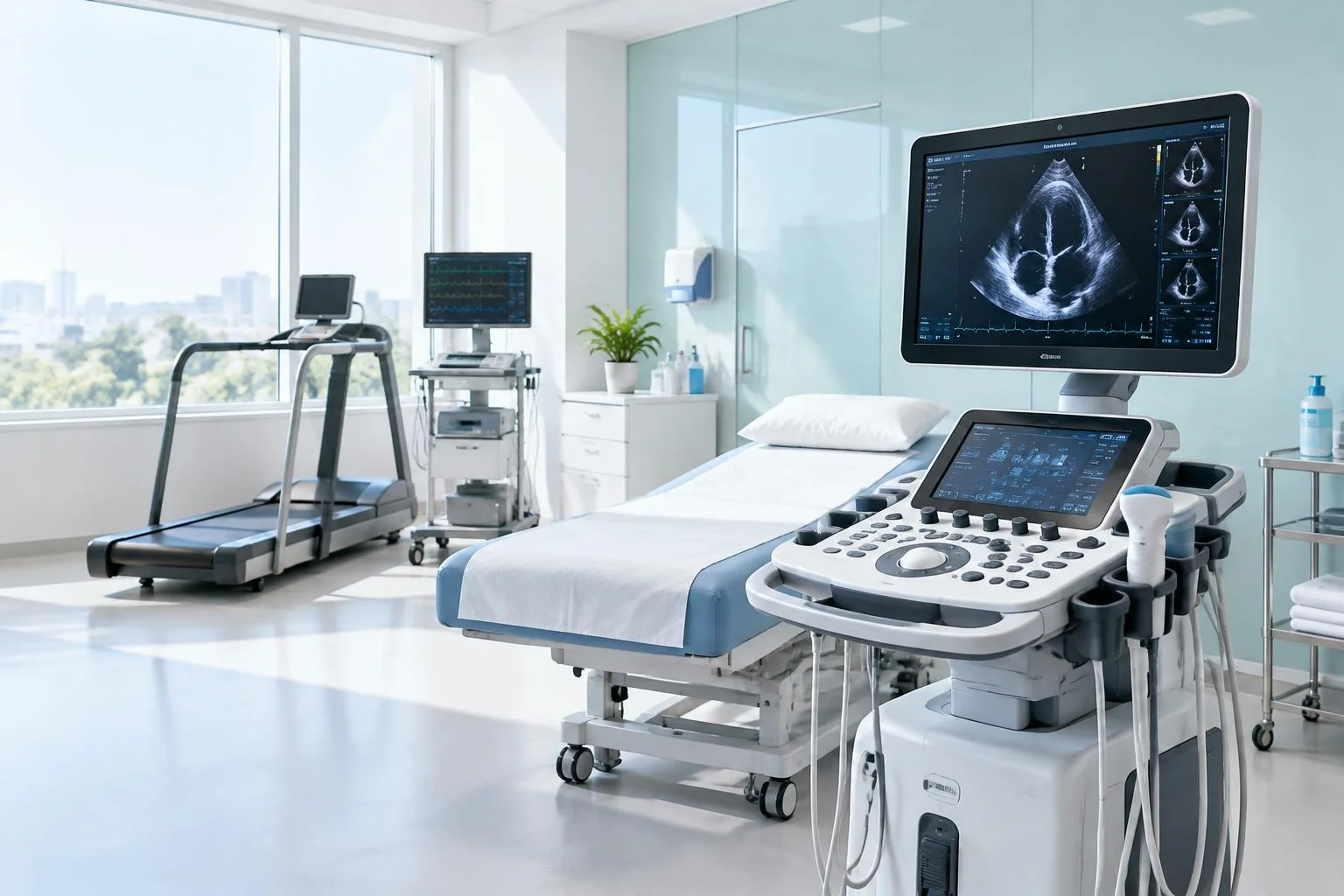
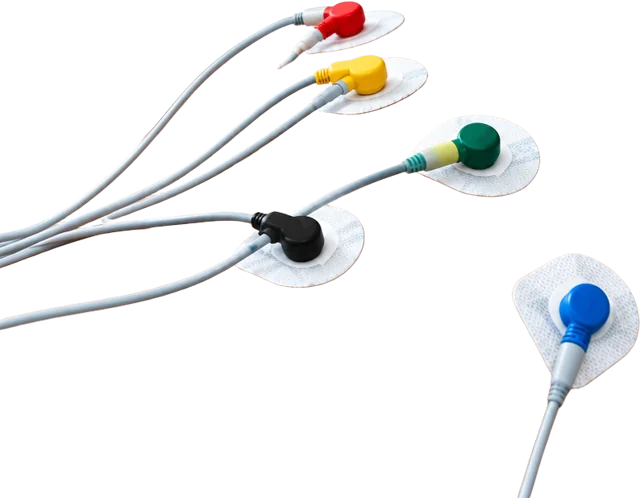
An ECG is a simple and painless test that records the electrical activity of the heart. It helps in diagnosing heart rhythm problems and detecting signs of heart disease.
Read MoreDiagnostics & Care
Have a burning question about heart health, cardiovascular diseases, or general well-being? Submit your queries , and Dr. Sonkamble will provide personalized responses to help you understand and manage your heart health better.
Book Nowor contact the clinic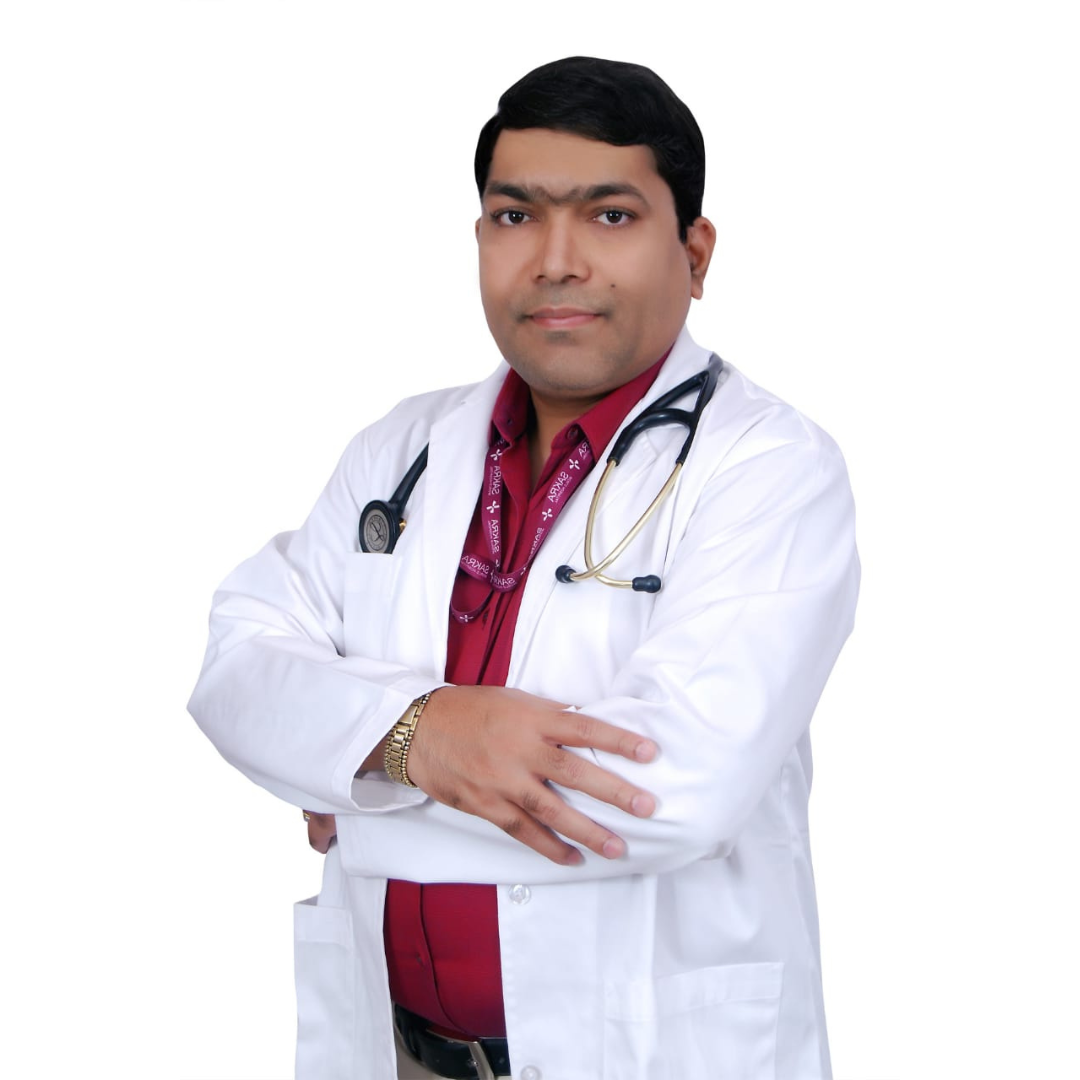 01
An ECG is a simple and painless test that records the electrical activity of the heart. It helps in diagnosing heart rhythm problems and detecting signs of heart disease.
Read More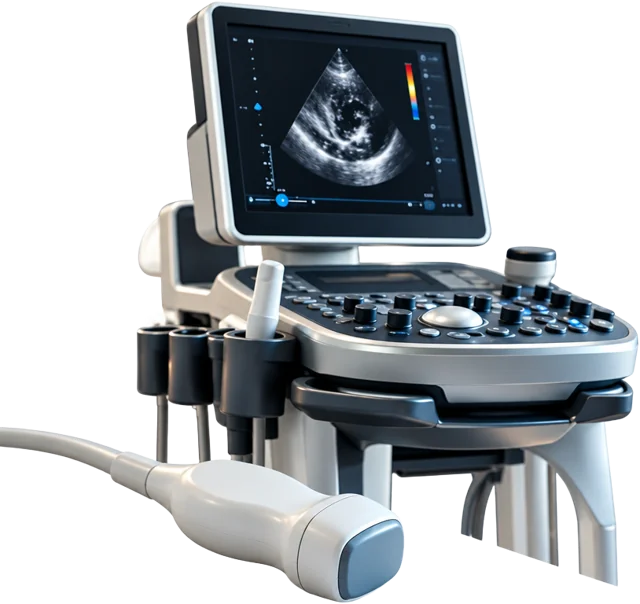 02
A 2D ECHO uses sound waves to create detailed images of the heart's structure and function. It helps in assessing heart valve function, heart muscle strength, and detecting any abnormalities.
Read More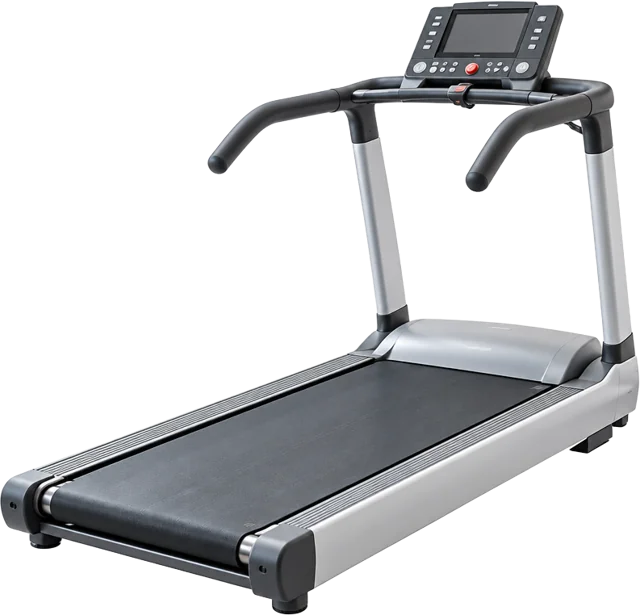 03
TMT, also known as a stress test, evaluates how your heart responds to physical activity. It is useful in diagnosing coronary artery disease and determining the effectiveness of your heart medications.
Read More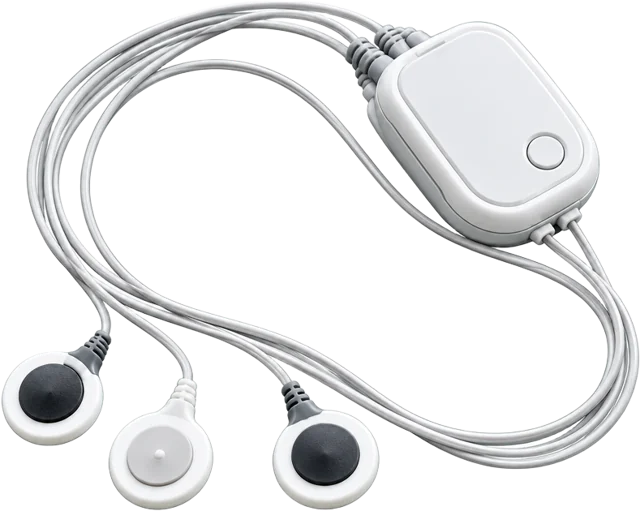 04
Holter monitoring is a continuous recording of your heart's activity for 24 to 48 hours. It helps in diagnosing irregular heart rhythms and evaluating symptoms such as palpitations and dizziness.
Read More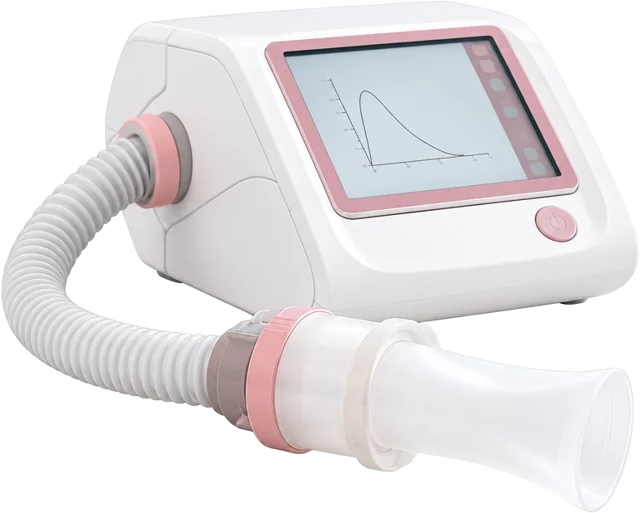 05
PFT measures how well your lungs are working. It assesses lung capacity, airflow, and gas exchange, which is essential for diagnosing respiratory conditions that may affect the heart.
Read MorePlanning a TMT? See the full treadmill stress test guide — what the test involves, how to prepare and how to book.
Treadmill tests help assess heart function by measuring how it responds to exercise, aiding in the diagnosis of heart conditions and determining fitness levels.
By evaluating heart rate, blood pressure, and ECG changes during exercise, treadmill tests can stratify individuals into different risk categories for cardiovascular events, guiding treatment plans.
Treadmill tests provide insights into an individual's aerobic capacity and overall fitness level, helping tailor exercise prescriptions and monitor progress over time.
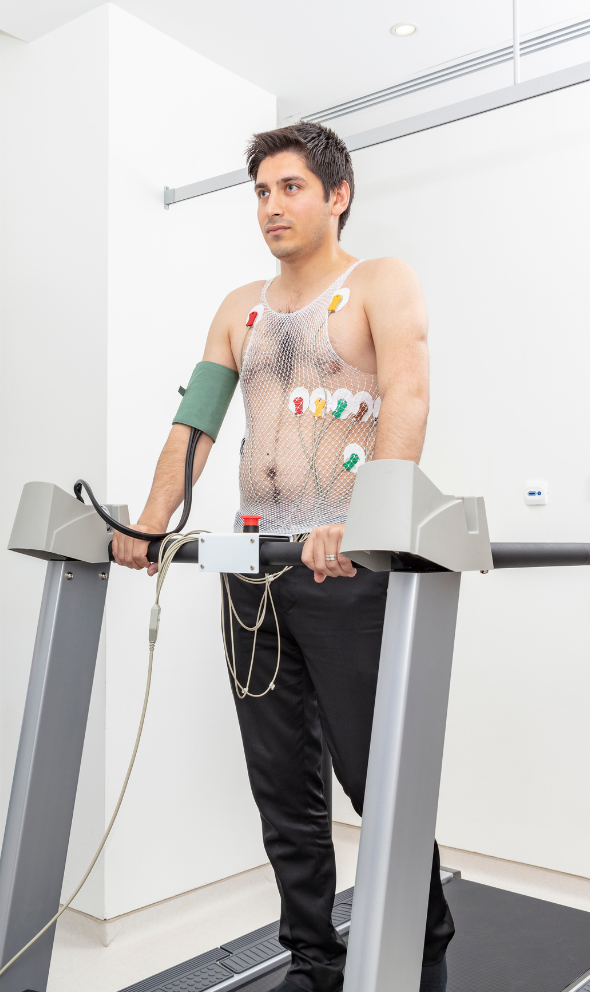
They can detect subtle abnormalities in heart function that might not be apparent at rest, enabling early intervention and preventive measures to reduce the risk of future cardiac events.
Treadmill tests are valuable tools in clinical research for studying cardiovascular physiology, as well as in sports training programs to assess athletes' performance and endurance.
Treadmill tests offer a structured and measurable way to track fitness goals, providing motivation and accountability for individuals striving to improve their cardiovascular health and overall well-being.