
Posted on October 31, 2026 by Dr.Siddharth in Case Studies
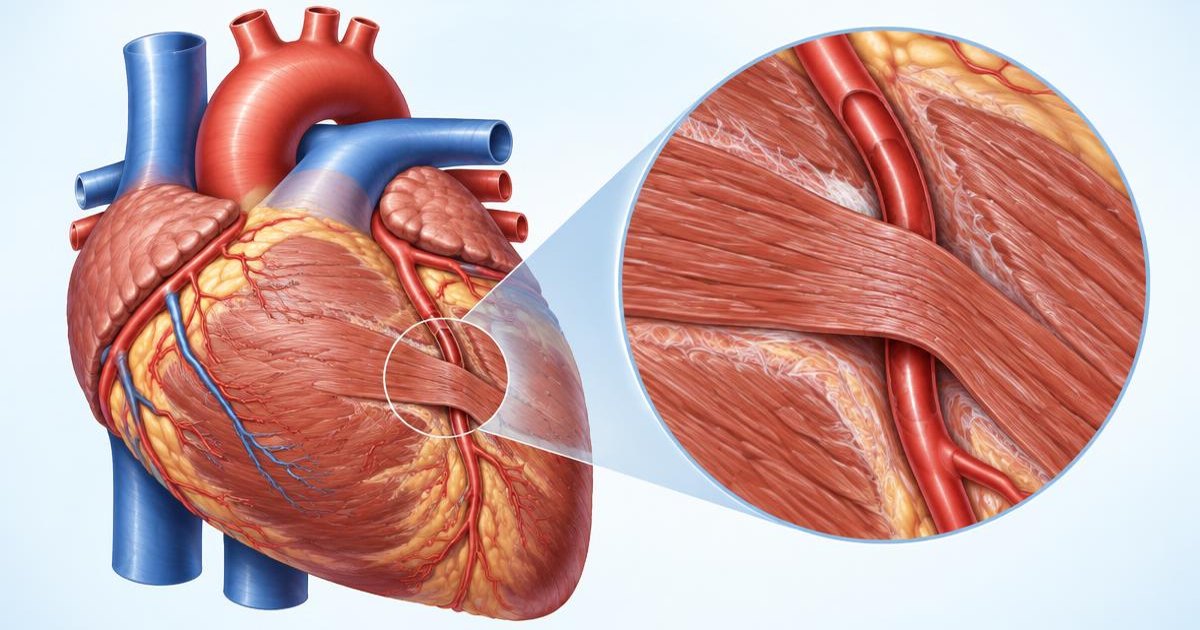
A myocardial bridge is an artery running through heart muscle. Many people never develop symptoms, but some need an individual assessment to understand whether it is affecting blood flow.
What is myocardial bridging?
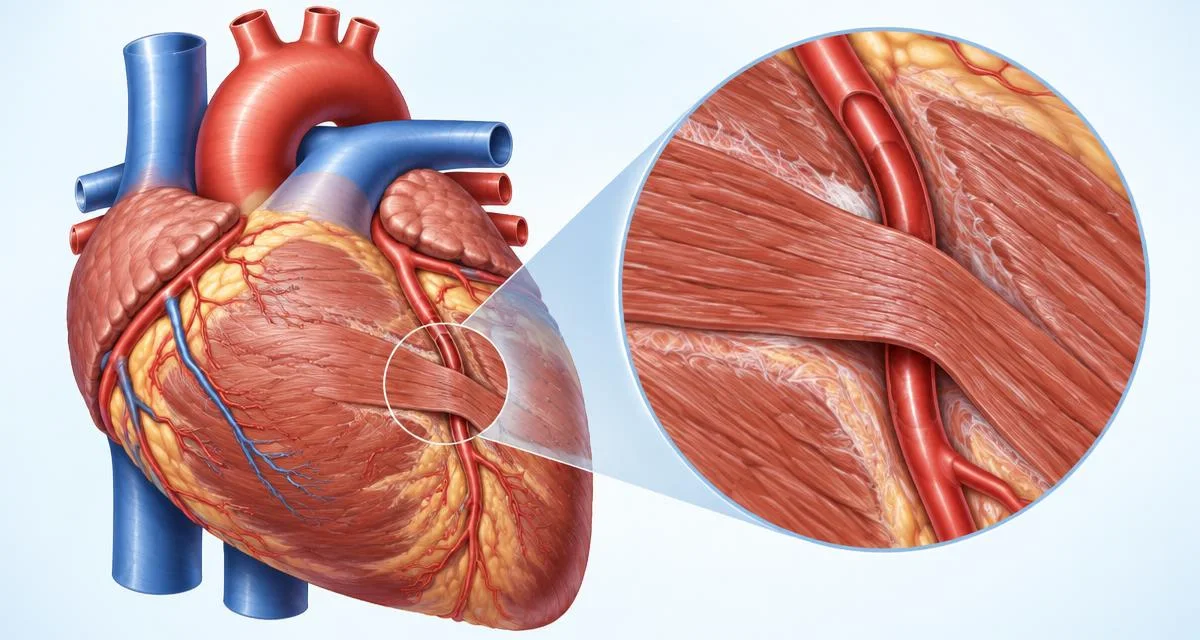
Coronary arteries supply oxygen-rich blood to the heart muscle. Normally, these vessels run along the outer surface of the heart. In myocardial bridging, a short section of a coronary artery travels underneath a band of heart muscle before returning to the surface. The muscle above it is the bridge; the artery beneath it is the tunneled segment.
This is an anatomical variation present from birth, not an artery that moved into the muscle later in life. It most often involves the left anterior descending (LAD) coronary artery, although other arteries can be affected. It is different from a cholesterol plaque narrowing an artery. A bridge and coronary artery disease can, however, exist in the same person.
How can a bridge affect blood flow?
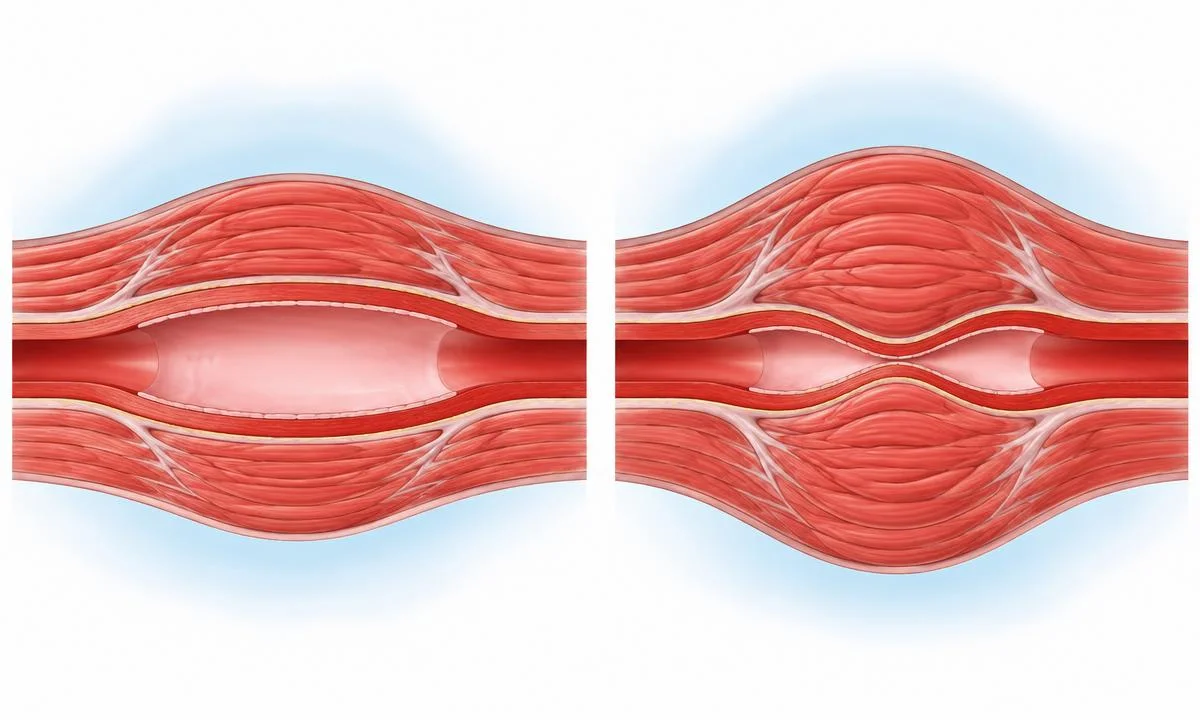
When the heart contracts (systole), the overlying muscle may squeeze the tunneled artery. When the heart relaxes (diastole), that pressure usually eases. Most coronary blood flow occurs during relaxation, which helps explain why many bridges cause no problems.
In some people, narrowing may persist into early relaxation. A faster heartbeat shortens the time available for relaxation, while stronger contractions can increase compression. The bridge’s depth and length, the heart’s workload and other conditions such as coronary artery spasm can influence its significance. An imaging finding alone cannot show whether the bridge is causing a person’s symptoms.
What symptoms can occur?
Many myocardial bridges are found incidentally during tests performed for another reason. When a bridge is clinically significant, symptoms may occur with exertion or a fast heartbeat, but these symptoms are not specific to bridging.
- Chest discomfort, tightness or pressure, sometimes during activity.
- Shortness of breath or reduced exercise tolerance.
- Palpitations — a racing, fluttering or irregular heartbeat.
- Unusual fatigue; dizziness or fainting should also be assessed promptly.
Chest discomfort can have several cardiac and non-cardiac causes. A cardiologist may need to assess coronary artery disease, spasm, rhythm problems and other explanations rather than attributing everything to a bridge shown on a report.
Is myocardial bridging dangerous?
Most people with a myocardial bridge have no symptoms and may not need treatment specifically for the bridge. In a smaller group, it can be associated with reduced blood supply to heart muscle (ischaemia) or rhythm disturbances. Serious complications have been reported, but they are uncommon; a diagnosis does not mean a heart attack or dangerous rhythm will occur.
The important question is not simply whether a bridge exists, but whether it is functionally important for you. Your symptoms, medical history, the artery’s anatomy and test findings guide that assessment. There is no single treatment or risk label that fits every bridge.
How is myocardial bridging diagnosed?
Evaluation begins with a discussion of symptoms, their timing and triggers, family history, existing conditions and medicines. The cardiologist selects investigations according to the clinical question; not everyone needs all of the tests below.
ECG, echocardiography and rhythm monitoring
An ECG records the heart’s electrical activity. Echocardiography assesses heart structure and function. If palpitations are part of the problem, ambulatory monitoring such as a Holter may help correlate symptoms with the rhythm. These tests can look for associated or alternative problems; a normal resting ECG or echocardiogram does not exclude a myocardial bridge.
Coronary CT angiography
Coronary CT angiography can show the course of the artery and the tunneled segment, including its length and depth. It can also help assess plaque. It defines anatomy, but the scan alone may not establish that the bridge is responsible for chest pain. Contrast, radiation and individual suitability need consideration.
Stress testing
A supervised exercise test or an appropriate stress-imaging test may assess whether increased heart workload is associated with symptoms or evidence of ischaemia. A treadmill test does not directly show the muscle bridge and is not a stand-alone anatomical diagnosis. The choice of test depends on your ability to exercise, symptoms and other findings.
Angiography and specialised measurements
In selected cases, catheter-based coronary angiography may show narrowing as the heart contracts. Specialist assessments may include intravascular imaging or pressure/flow measurements to understand its functional importance. These invasive procedures are not automatically required for an incidental bridge.
Treatment: from observation to specialist care
When no bridge-specific treatment is needed
If a bridge is incidental and there is no evidence that it is causing symptoms or important blood-flow limitation, reassurance and an individual follow-up plan may be enough. Managing blood pressure, cholesterol, diabetes and tobacco exposure remains important for overall cardiovascular health, but these measures do not remove the anatomical bridge.
Medicines for symptomatic bridging
When symptoms are thought to come from the bridge, beta blockers are commonly considered to slow the heartbeat and reduce the force of contraction. Certain calcium-channel blockers may be considered, particularly when coronary spasm is suspected or a beta blocker is unsuitable. The choice depends on blood pressure, heart rate, other health conditions and current medicines. Do not start, stop or adjust a medicine based on this article.
When procedures may be considered
A specialist team may consider a procedure for selected patients with persistent significant symptoms and documented functional importance despite appropriate medical treatment. Surgical unroofing (myotomy) releases the overlying muscle. Bypass surgery may be considered in specific anatomical circumstances. Decisions require careful assessment of expected benefit and procedural risk.
A coronary stent is not routine treatment for a myocardial bridge. The repeated muscular compression can create concerns such as stent fracture, re-narrowing and injury to the artery. A bridge is not managed in the same way as an ordinary fixed plaque blockage. No procedure can be promised to eliminate every symptom, and long-term evidence remains limited.
Exercise and everyday life
A myocardial bridge does not automatically mean that all exercise is unsafe. Advice should be individualised based on symptoms, test findings, treatment and the intensity of the activity. Ask your cardiologist before returning to intense training or competitive sport if you have exertional chest discomfort, fainting, significant ischaemia or a rhythm problem.
- Do not push through chest pain, marked breathlessness, dizziness or palpitations during activity; stop and seek appropriate assessment.
- Avoid tobacco and discuss stimulant-containing supplements or medicines with your clinician.
- Maintain a balanced diet, adequate sleep and management of blood pressure, diabetes and cholesterol.
- Keep a symptom diary noting activity, duration and associated symptoms, without delaying urgent care.
- Attend recommended follow-up and take prescribed medicines as directed.
Preparing for a cardiology appointment
- Bring the CT or angiography report and available images, along with ECG, echo and stress-test results.
- List all medicines, doses, supplements, allergies and previous treatment reactions.
- Describe when symptoms began, what brings them on and whether they occur at rest or with activity.
- Ask: Is the bridge incidental or functionally significant? Have other causes of my symptoms been considered?
- Ask which activities are suitable, whether treatment is needed and when follow-up or urgent assessment is appropriate.
Frequently asked questions
Is a myocardial bridge the same as a blocked artery?
No. A bridge is an artery segment passing beneath muscle and potentially being squeezed as the heart contracts. Coronary artery disease involves plaque in the artery wall. Both can coexist and need separate assessment.
Can it be present even if my ECG is normal?
Yes. A resting ECG does not map the course of coronary arteries. Anatomical imaging and, when indicated, functional tests answer different questions.
Does everyone need surgery or angioplasty?
No. Many people need no bridge-specific treatment, and symptomatic patients are usually assessed for medical management first. Procedures are reserved for selected cases after specialist evaluation.
Can I live a normal life with a myocardial bridge?
Many people do. Your own activity and follow-up plan should reflect your symptoms and test results rather than the diagnosis alone. Do not use another person’s experience as exercise clearance or a treatment plan.
Discuss your report in Nerul, Navi Mumbai
If myocardial bridging appears on your report or you have symptoms requiring a non-emergency assessment, you can request a consultation with Dr. Siddharth Sonkamble at Heart & Health Clinic, Nerul East. Patients from Seawoods and other parts of Navi Mumbai can bring their previous reports for an individual discussion. An appointment request is not an emergency-care service.
- Request a cardiology appointment
- Call the clinic: 091104 70186
- Treadmill stress testing in Navi Mumbai
Sources and further reading
- Cleveland Clinic — Myocardial Bridge
- Texas Heart Institute — Myocardial Bridge
- JACC state-of-the-art review — Myocardial Bridging (2021)
- Myocardial Bridging: An Up-to-Date Review (2015)
Recommended Posts
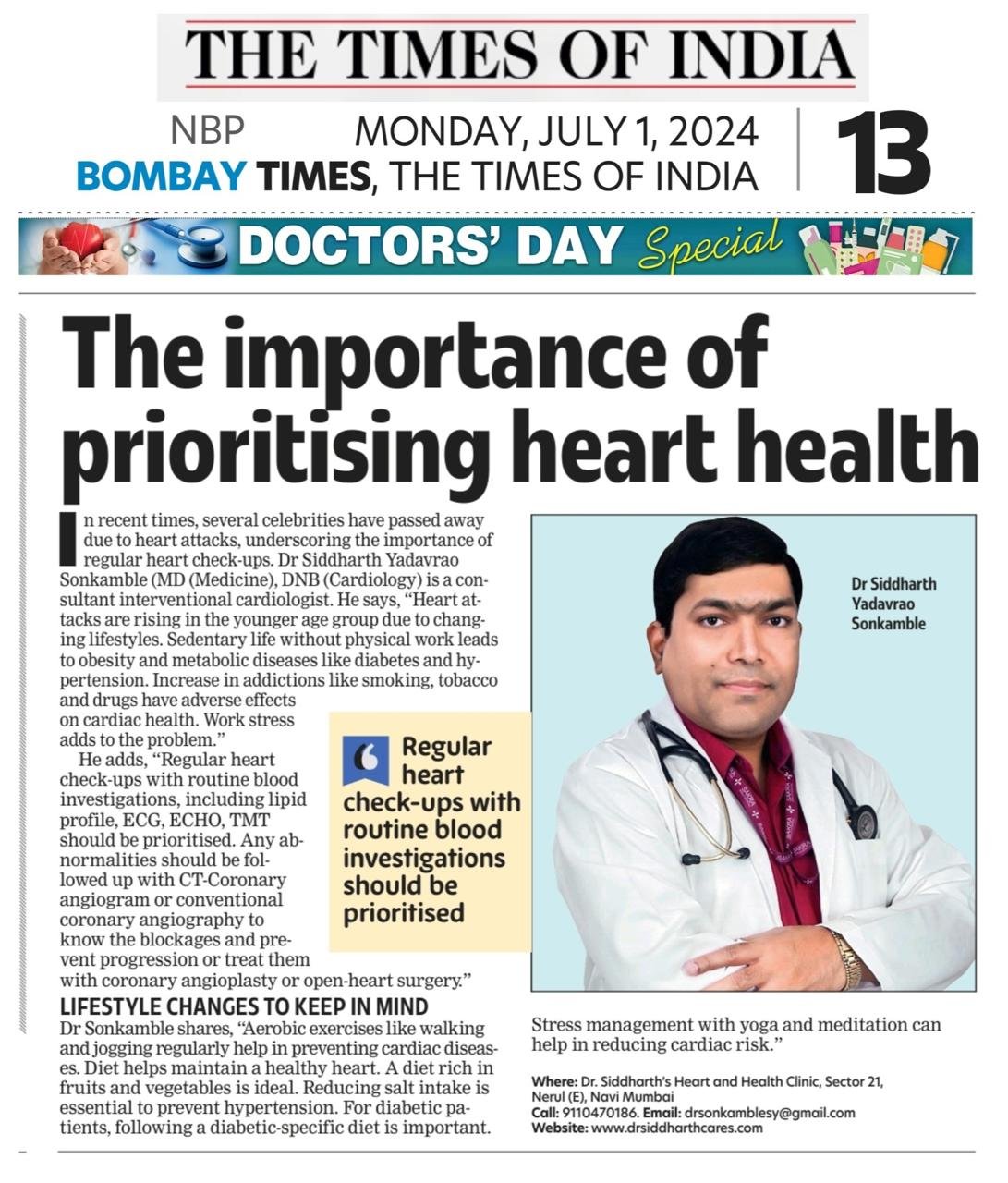
Prioritizing Heart Health
Prioritizing Heart Health Key Insights from Dr. Siddharth Yadavrao Sonkamble As heart disease continues to be a major
Large La Myxoma In Young Stroke Patient Treated Surgically
Large La Myxoma In Young Stroke Patient Treated Surgically Introduction Atrial myxoma remains a rare clinical entity with